
Three Ways EMS Agencies Are Meeting the New DEA Storage Rule
Retrofit the cabinets you own, replace them with new safes, or move to full medication tracking. What each approach actually costs you, honestly compared.




Retrofit the cabinets you own, replace them with new safes, or move to full medication tracking. What each approach actually costs you, honestly compared.
A medicine lock box with a key is a locked container that keeps medications, including controlled substances, out of the wrong hands while letting authorized people in with a key. For a home, a basic keyed box does the job. For a clinic, pharmacy, ambulance, or hospital, the plain metal key is where things fall…
A narcotic lock box is a securely locked, substantially constructed container that keeps controlled substances away from anyone who isn’t authorized. That construction standard isn’t a preference. Federal rule 21 CFR 1301.75 requires Schedule II through V controlled substances to be stored in a securely locked, substantially constructed cabinet. The box is the easy part.…

An EMS narcotics tracking system is the combination of hardware, access control, and audit software that records who opened a controlled substance store, when, and from which vehicle or station. The strongest setups tie every entry to a named paramedic instead of a shared code, so the audit trail names a person on every dose.…
Hospital narcotics storage means keeping Schedule II through V controlled substances in a securely locked, substantially constructed cabinet, with effective controls against theft and diversion. Those security requirements sit in 21 CFR Part 1301. Meeting the cabinet-and-lock baseline is rarely where hospitals fall short. Proving the controls under a DEA audit is. Updated May 2026.…

EMS drug diversion prevention does not begin with a policy statement. It begins with whether the infrastructure can produce a record that proves what happened to every controlled substance in the agency’s possession. Most agencies have a policy. Far fewer have the infrastructure to make that policy defensible during a DEA inspection. Drug diversion in…

Controlled substance key management is rarely treated as a compliance function until a key goes missing. At that point, it becomes one immediately. The moment a narcotics key cannot be located, a gap opens in the chain of custody that no paper log can close and no locksmith can retroactively seal. Under the Controlled Substances…

Wireless narcotic storage for ambulances is not a luxury feature. It is what the DEA’s new PPAEMA rule demands in practice. Most EMS agencies have done the work at the station level. The narcotics cabinet is secured. The access logs exist. The station safe has an audit trail. What those same agencies often have not…

PPAEMA 2026 EMS compliance is no longer a future requirement. PPAEMA became law in 2017. The statute created new requirements for EMS agencies immediately, but the DEA’s full implementing regulations were not finalized until March 9, 2026. That is the rule now in effect. If your agency has not already updated its storage, recordkeeping, and…
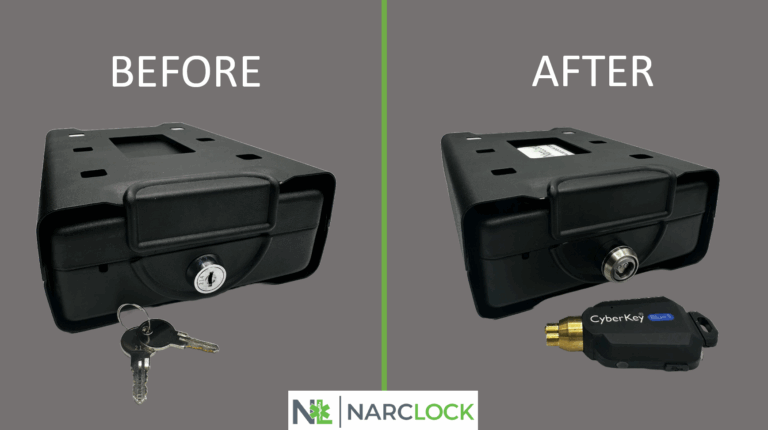
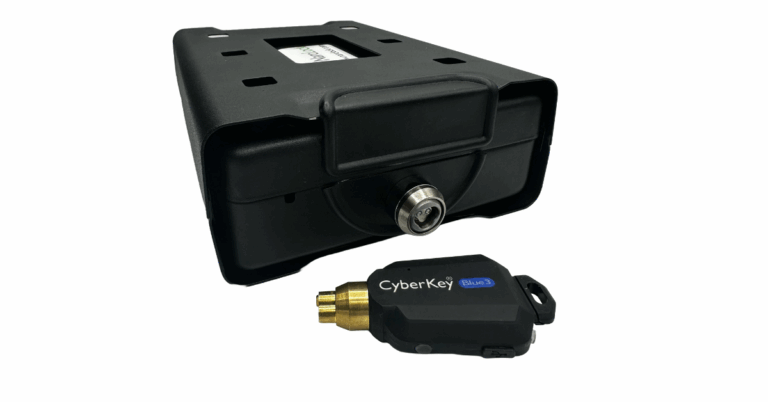
Do you have safes today that you would prefer to keep vs buying a whole new solution? NarcLock doesn’t force you to buy new safes. Instead, we add access control to your current safes today without the need for wiring or powering. An EMS narcotic tracking system must prove who opened the box, when it…

We retrofit exisiting lock cylinders with electronic cylinders in hospitals and support teams during inspections. With over 450+ retrofit designs. NarcLock can help you meet DEA compliance on day 1 and then help you with door access throughout the facility in the future. One system, endless solutions for your team. All for 1/10th the cost…

Multi site narcotics security only works when policy, hardware, and logs match across every location. Health systems, EMS districts, and pharmacy groups do not need new wiring at each site. You need one policy, one key plan, and one audit trail that scales from ten to two hundred facilities. What breaks at the multi‑site scale?…

Medication security is more than locking a door, it’s about controlling who can access controlled substances, when they can do it, and how every attempt is documented. In fast-moving environments like EMS, clinics, and pharmacies, the best smart lockbox setup should feel straightforward to use while still creating real accountability behind the scenes. What Separates…

Use this verified guide to DEA narcotics storage requirements and see exactly how NarcLock helps you implement the rules quickly and prove it during inspections. Federal requirements apply nationwide and many states add stricter rules. Confirm state specifics before you buy cabinets or set procedures. Source for federal rules: Title 21 CFR, Chapter II. How…

Proper management of controlled substances is a top priority in every healthcare environment. A hospital narcotic lock box plays a crucial role in maintaining accountability and preventing unauthorized access to medications. In hospitals, pharmacies, and EMS units, controlled substance management requires precision, and reliable storage ensures both compliance and safety. Smart Storage That Supports Compliance…
In today’s healthcare environment, safeguarding controlled substances is a top priority for every pharmacy. The pharmacy narcotic safe ensures these medications are stored securely while meeting strict federal and state compliance requirements. This specialized solution helps prevent unauthorized access and maintains accountability at every level of operation. Technology That Protects Precision-engineered for security and control,…
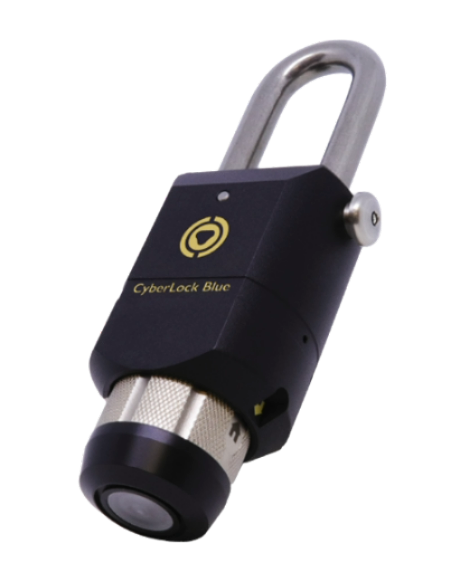
Pharmacies must maintain strict control over all medications to ensure safety and compliance. Using a narcotic safe for pharmacy adds an essential layer of protection, preventing unauthorized access and maintaining accurate records of every transaction. With the right system in place, controlled substances remain secure, traceable, and accurately managed. Accountability at Every Step Secure storage…
When it comes to retrofit narcotics safe solutions, many EMS agencies and pharmacies assume they need to purchase new, specialized safes to meet DEA and state requirements. The truth is, with NarcLock, you can take the safe you already own and upgrade it in minutes. The Problem with Replacing Safes Buying new safes is expensive…
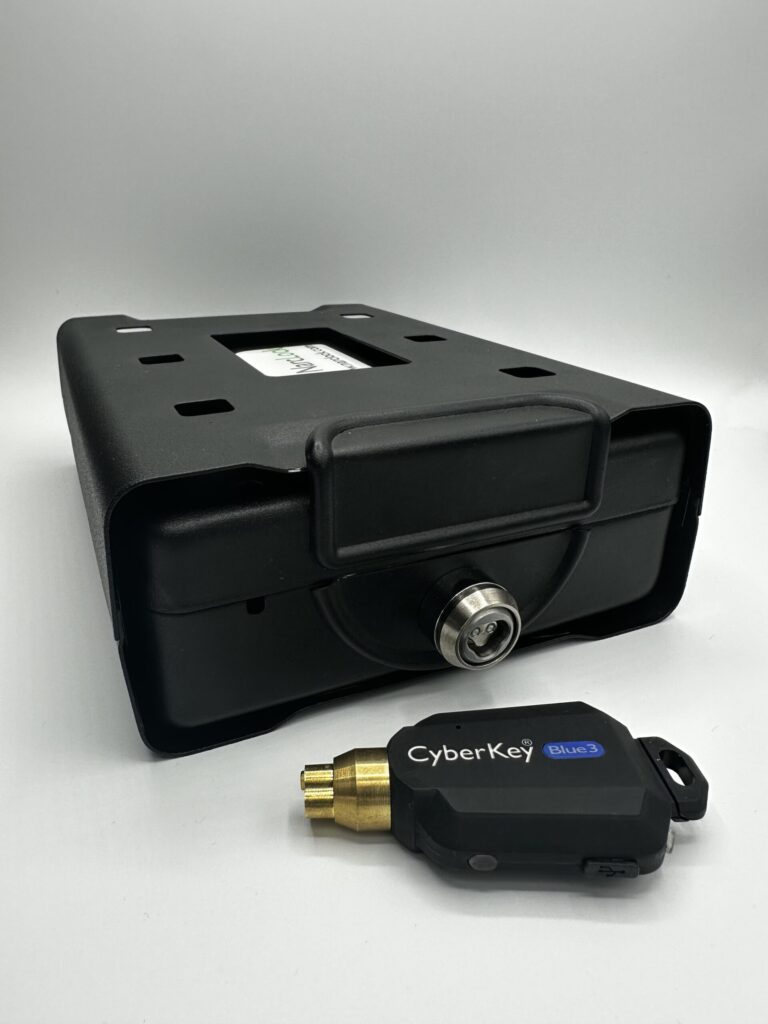
Pharmacies operate under strict pharmacy narcotics storage compliance requirements. DEA and state rules demand secure storage, controlled access, and complete records. Basic safes and paper logs often fall short, which is why many pharmacies move to audit-ready digital control. What Pharmacy Narcotics Storage Compliance Requires Regulators expect secure storage, access limited to authorized staff,…
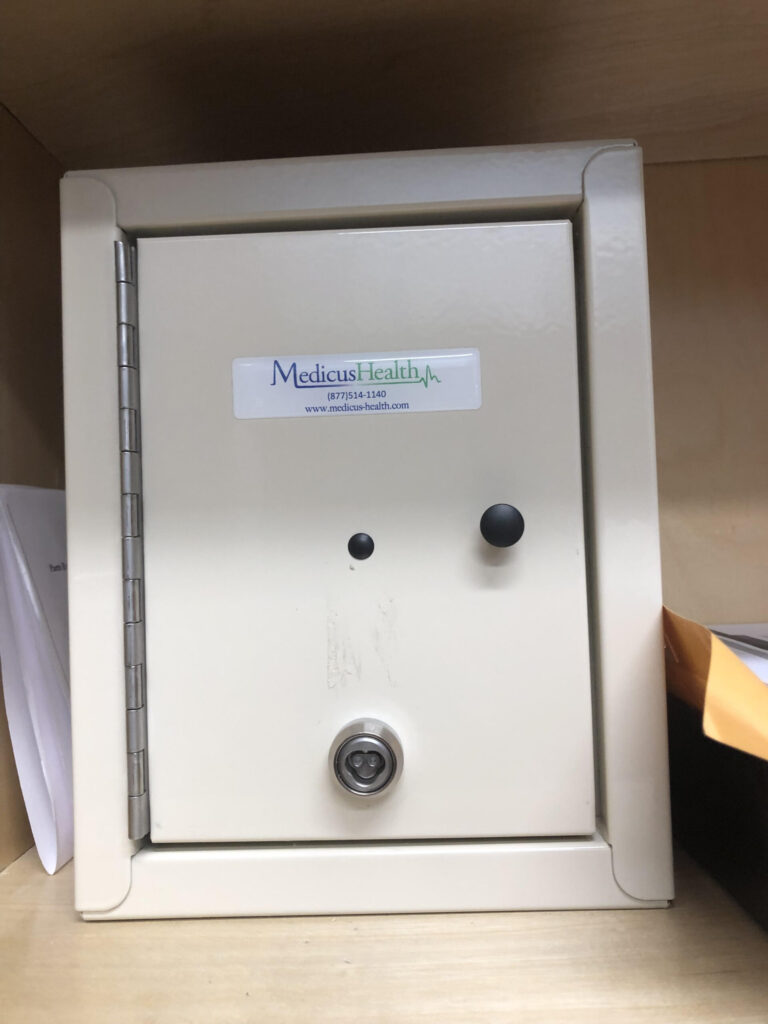
Emergency medical services (EMS) agencies face constant pressure to safeguard controlled substances. Paper logs and basic lockboxes can’t deliver the accountability or security needed in today’s regulatory environment. A wireless narcotics tracking system provides the real-time visibility and audit trails agencies need to protect both patients and providers. Why a Wireless Narcotics Tracking System Matters…
For emergency medical services (EMS), compliance with the Drug Enforcement Administration (DEA) isn’t optional; it’s mandatory. Strict regulations govern how controlled substances are stored, tracked, and dispensed. Failure to meet these standards can result in penalties, failed audits, or even loss of certification. That’s why more agencies are turning to DEA compliance for EMS through…
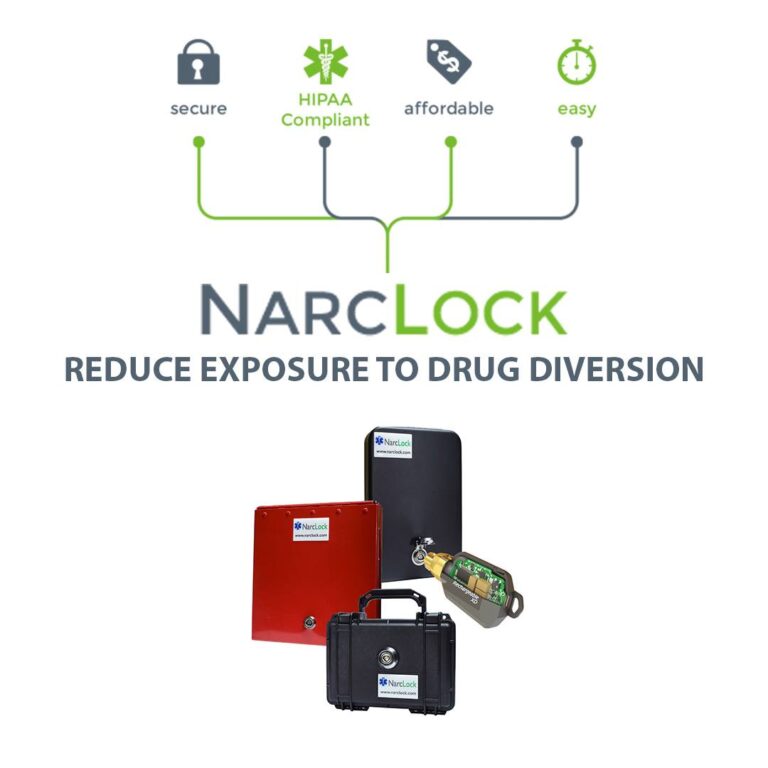
In fast-paced medical, emergency, and pharmaceutical operations, the ability to control access to supplies is essential. A lockable medication box offers the security needed to store controlled substances while allowing authorized team members to retrieve them when every second counts. It supports both patient safety and operational efficiency, ensuring sensitive items remain secure without slowing…
For decades, EMS agencies have relied on paper logs to manage controlled substances. But what used to be “good enough” is now one of the biggest narcotics tracking risks your agency faces. In an environment where the DEA, state regulators, and the public demand transparency, outdated recordkeeping is a liability, not just in compliance, but…
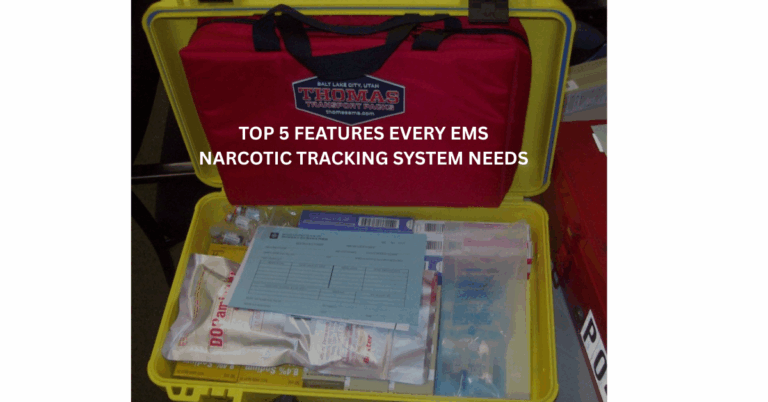
Choosing the right EMS narcotic tracking system is one of the most important decisions for any emergency medical service. It’s not just about compliance, it’s about securing critical medication, avoiding liability, and streamlining operations. The best solutions are built specifically for EMS needs, not retrofitted from generic access control systems. If your fleet is still…
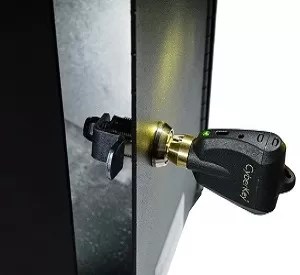
Managing controlled substances requires a solution that’s both consistent and easy to operate. A medication lock box with a key provides dependable access without relying on power, codes, or complicated software. It allows staff in clinics, pharmacies, and mobile units to secure medications quickly and confidently, without relying on network connections or external systems. This…
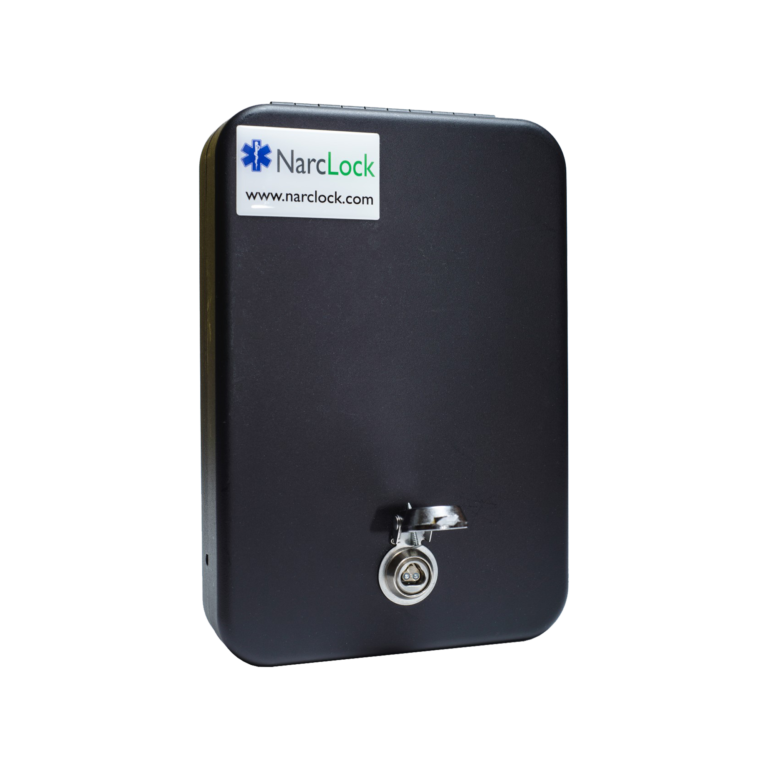
In medical environments where safety and compliance are non-negotiable, secure storage plays a critical role. From ambulances to clinics and pharmacies, preventing unauthorized access to controlled substances is a daily priority. Choosing the best smart lockbox ensures every access point is monitored and managed with confidence. With advanced key scheduling and lock-specific permissions, facilities reduce…
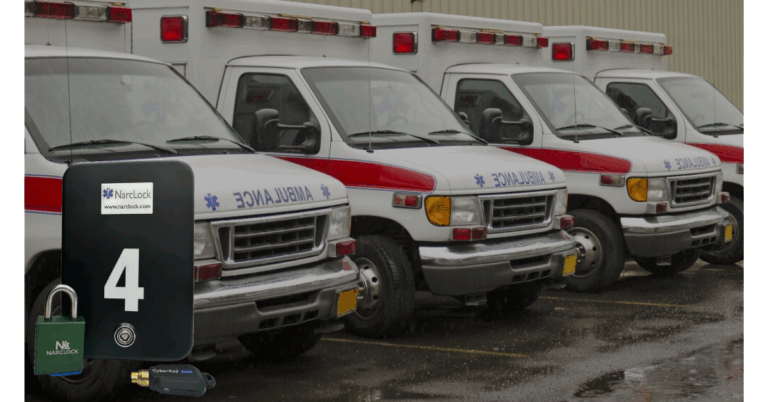
If you manage an EMS fleet, EMS narcotic storage is more than a checkbox; it’s a patient safety and compliance priority. With 2025 planning underway, fleets are rethinking how they secure, track, and audit controlled substances while on the move. Modern EMS narcotic storage systems must function without power, track every access attempt, and support…
DEA compliance for EMS is crucial to protecting patients, crews, and agency operations. Manual logs or mechanical locks are not enough anymore. Digital narcotics tracking systems are now essential to meet DEA audit standards and maintain accountability in emergency services. NarcLock provides a wireless, programmable solution that secures narcotics storage in ambulances, field units, and…
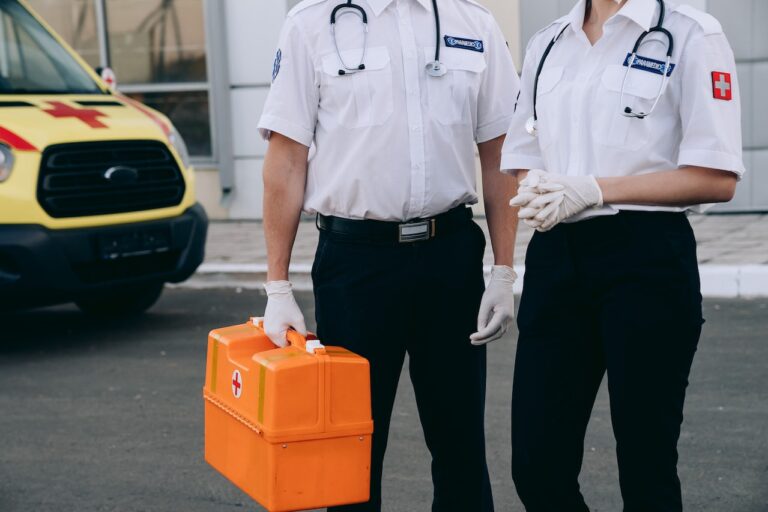
Setting up a compliant narcotic tracking system can sound like a major infrastructure project, but for EMS agencies using NarcLock, it can be done in less than 24 hours. If you’re still using paper logs or outdated key boxes, making the switch is faster, easier, and more affordable than you think. Whether you’re facing a…
EMS Narcotic Tracking System: A Vital Tool for Compliance and Safety Managing controlled substances is one of the most regulated and high-risk responsibilities in emergency services. Without a reliable EMS narcotic tracking system, agencies risk losing inventory, facing DEA violations, or compromising patient care. Paper logs simply cannot keep up. NarcLock was designed to eliminate…
Accidental exposure to prescription medications can cause significant health hazards. Keeping medication safely stored is a key aspect of safe medication use, particularly within families with children, older persons, or visiting guests. An effective locking device prevents unauthorized entry, minimizes risk, and creates reassurance. One highly recommended option for secure storage is the best medicine…
Maintaining strict control over medication access is essential for safety and regulatory compliance in today’s healthcare settings. Pharmacies, in particular, must implement robust security measures to manage and protect controlled substances. As opioid misuse remains a significant public health threat, secure medication storage emerges as a critical line of defense. A reliable and precise solution…

In EMS and fire services, narcotic storage isn’t just a security issue—it’s a compliance issue. With both federal and state regulations tightening, agencies need reliable, traceable solutions that support secure handling and accountability. That’s why so many departments are turning to EMS narcotic storage solutions like NarcLock. That’s where NarcLock steps in. Whether you operate…
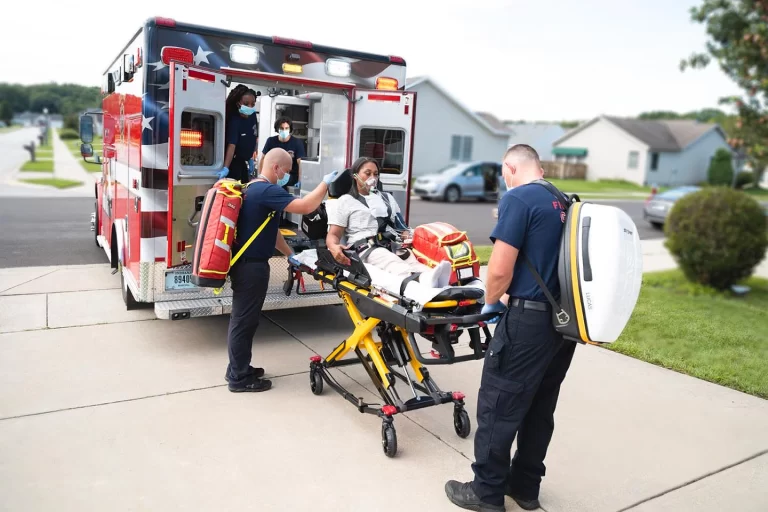
When people think of narcotics access control systems, they often picture a locked box or a cabinet key — something isolated. But in today’s healthcare and EMS environments, where compliance, accountability, and flexibility matter more than ever, you need more than just a secure box. NarcLock is more than just a narcotics access control system.…
In EMS, securing controlled substances is more than a matter of policy — it’s a matter of compliance, safety, and accountability. With DEA inspections on the rise and regulations tightening under the Controlled Substances Act (CSA) and PPAEMA, it’s never been more important for agencies to rethink how they manage narcotics storage and avoid common…
Ensuring compliance with DEA regulations is a top priority for any organization handling controlled substances, whether it’s a hospital, EMS agency, pediatric organization, or other healthcare provider. This DEA inspection compliance guide will help organizations understand the requirements set by the DEA, which conducts routine and unannounced inspections to prevent drug diversion, ensure secure narcotics…
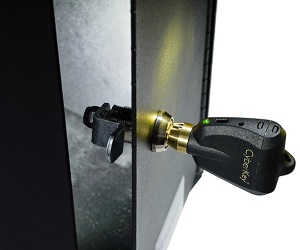
For hospitals, emergency medical services (EMS), and more, ensuring secure storage and controlled access to narcotics is not just best practice—it’s required by law. The Drug Enforcement Administration (DEA) enforces strict regulations to prevent misuse and diversion of controlled substances, which means hospitals & EMS agencies must have a reliable, compliant solution for narcotics security.…

Theft prevention is a topic worth discussing in the realm of Healthcare organizations but more specifically within Pharmacies. In a study of identifying which respective business activity was more susceptible to drug theft and loss, Pharmacies took the biggest hit in 2015 experiencing roughly 64.4% of all the losses. In evaluating the total losses of…
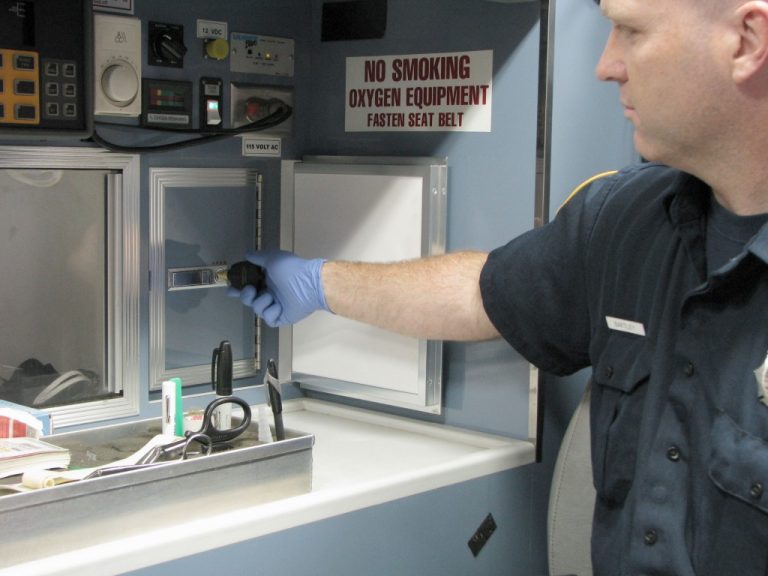
Drug theft and Loss continues to warrant unwanted stress for various healthcare organizations. It was reported by the West Allis Police Department that four main components made up the total of overall drug theft and loss locally in 2015. The four components included Customer Theft, Lost in Transit, Employee Pilferage and Armed Robberies.

The growing epidemic in regards to the controlled substance diversion has become extremely prevalent. To this end, it has caused the DEA to pass mandate on the storage of controlled substances. Given all of the ramifications associated with violating these respective mandates, it is imperative that strong policies are set in place on safeguarding, securing,…
Drug theft is a prevalent problem in the realm of healthcare. To the extent that between January and August 2013, there were 13, 885 instances in which the theft of drugs were reported by hospitals, pharmacies, EMS agencies, and other health care organizations in the United States.

This was the big selling point for Windsor Volunteer Ambulance, “While researching for narcotics solutions we were discouraged by pricing until we came across NarcLock in a magazine ad. The system not only fit our budget, but we were able to keep our own lock boxes which was convenient,” says Windsor.
“Larry Baumgart, EMT-P, operations manager of Mercy EMS (N.Y.) says TEC Solutions was the best fit for his agency. The company installed its NarcLocks, which are electronic wireless access-control locks, in the controlled-substances safes in all agency ambulances, fly cars, helicopters, and building safes.”